
Credit Card Terminals for Small Business: The 2026 Strategic Buyer’s Guide
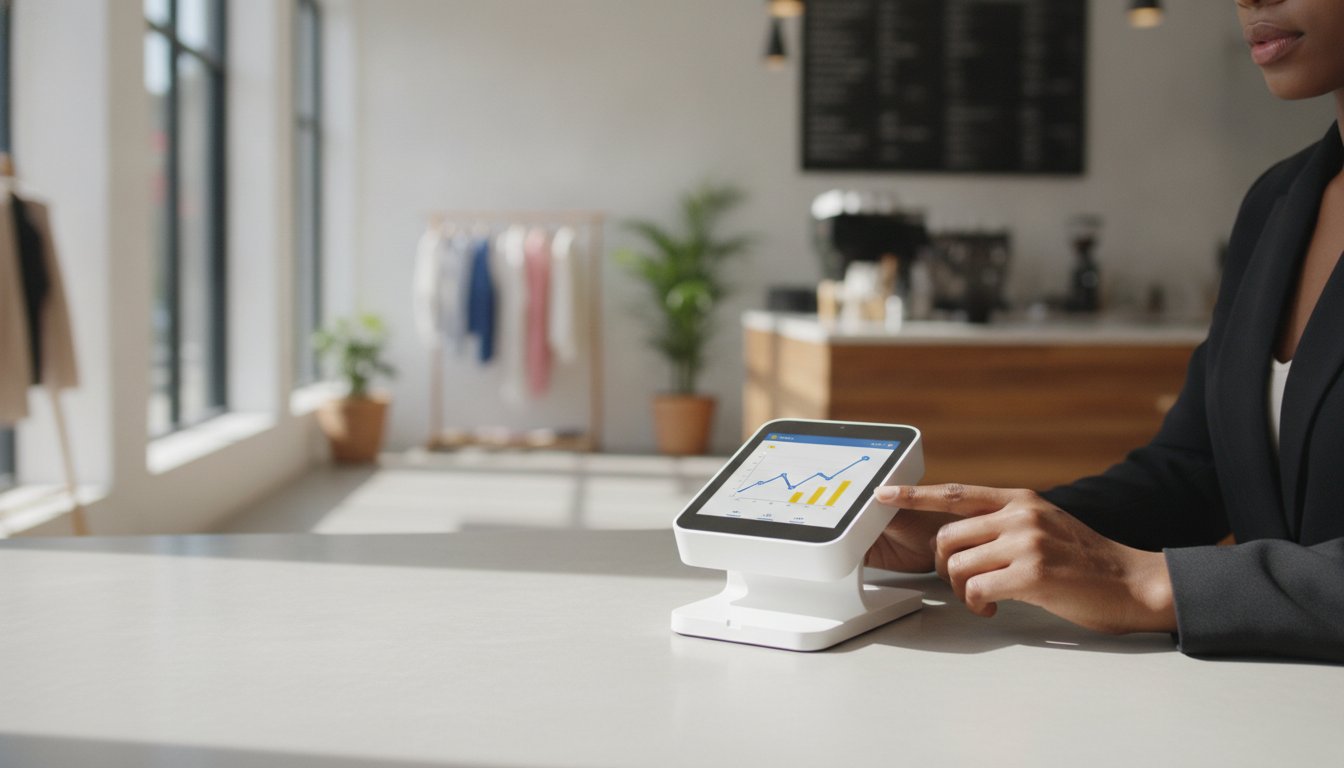
Why are you still treating your payment hardware like a simple calculator when it could be your most efficient employee? Most business owners feel a genuine sense of dread when opening their monthly merchant statements. You've likely stared at those complex fee breakdowns and wondered why your hard-earned money is disappearing into a black hole of interchange and hidden service charges. It is equally frustrating to spend your evenings manually typing sales data into QuickBooks or waiting days for your own funds to hit your bank account. Finding the right credit card terminals for small business shouldn't feel like a gamble with your liquidity.
We believe your terminal should be the frontline of your financial workflow, not just a tool for swiping cards. This 2026 strategic guide shows you how to select hardware that balances low processing fees with seamless accounting integration to protect your bottom line. If you choose a system built for your specific workflow, then you can unlock next-day access to funds and stop the manual data entry for good. We will explore the top-rated terminals that offer automated bookkeeping and the transparent fee structures you deserve to help your business thrive.
Key Takeaways
- Understand the shift from basic readers to Android-based smart terminals that handle encrypted payments without needing a separate mobile device.
- Match your hardware to your specific workflow by comparing countertop models and handheld smart terminals designed for line-busting and tableside service.
- Avoid the hidden costs of "free" equipment by learning how to audit your statement for interchange-plus pricing versus expensive flat-rate fees.
- Stop manual data entry by selecting credit card terminals for small business that sync sales and bank deposits directly with QuickBooks or Xero.
- Boost your liquidity with next-day access to funds, cutting out the standard two-day wait times that slow down your business growth.
What is a Smart Credit Card Terminal in 2026?
A modern payment terminal is no longer just a piece of plastic that reads a card. It is a standalone, encrypted powerhouse. Unlike basic readers that tether to a smartphone, these devices operate independently to keep your checkout line moving. They process encrypted data directly on the unit, which means you don't have to worry about the security vulnerabilities of a secondary mobile device. Essentially, a smart terminal is a cloud-connected hub for both payments and business data.
We've moved far beyond the "dumb" magstripe readers of the past. Today's hardware runs on Android-based operating systems, allowing for a level of customization that feels more like a smartphone than a calculator. By 2026, the industry standard demands more than just basic functionality. If you want to stay competitive, your credit card terminals for small business must support NFC (contactless) and EMV (chip) payments alongside dual-network connectivity to prevent costly downtime. This evolution ensures that your hardware can grow with your business rather than becoming obsolete in a year.
The Shift from Card Readers to Smart Terminals
Why should you care about standalone hardware? For high-volume businesses, reliability is everything. A dedicated terminal doesn't rely on a Bluetooth connection to a phone that might lose charge or drop the signal. These units feature built-in thermal printers for instant receipts and customer-facing displays that improve transparency. From a security perspective, you gain the protection of Point-to-Point Encryption (P2PE). This ensures that sensitive data is unreadable from the moment a card is dipped, keeping you firmly within PCI compliance without the administrative headache. If your goal is to protect your customers and your reputation, then a smart terminal is the logical choice.
Essential Features for Modern Merchants
What does a merchant actually need to succeed today? Long battery life is non-negotiable if you offer tableside service or mobile pop-ups. You also need a solution for the inevitable Wi-Fi glitch. Modern credit card terminals for small business now include offline processing, allowing you to take payments even when the internet goes down. Your customers expect choices. Whether they use Apple Pay, Google Pay, or Samsung Pay, your hardware should handle digital wallets as easily as a physical card. This flexibility removes friction at the point of sale, allowing you to focus on your craft instead of troubleshooting tech. By choosing a device with these features, you are investing in a smoother daily operation.
Choosing Your Hardware: Countertop vs. Mobile vs. Smart Terminals
Selecting the right credit card terminals for small business is about more than just aesthetics. It is about matching the physical hardware to the rhythm of your specific business environment. A retail shop with a fixed checkout counter has vastly different needs than a mobile contractor or a restaurant offering tableside service. If you select the wrong device, you risk creating bottlenecks that frustrate your customers and slow down your daily operations. You need a solution that fits where you stand when the transaction happens.
Countertop Terminals: Stability for Retail
For high-traffic brick-and-mortar stores, countertop models remain the undisputed workhorse. These units are built for durability and consistency in demanding environments. Because they typically connect via a hardwired Ethernet port, they offer a level of stability that Wi-Fi-only devices simply cannot match. You also get the benefit of integrated customer-facing displays. These screens provide transparency by showing the transaction total and clear tipping options, which can significantly boost your team’s earnings. If your business processes hundreds of transactions a day at a fixed point, then a sturdy countertop terminal is your best ally.
Mobile and Handheld Solutions: Flexibility on the Go
Evaluating your connectivity options is the final step in your hardware strategy. Wi-Fi is convenient for small boutiques, but it can be flaky during peak hours. Ethernet is the gold standard for reliability in a fixed location. 5G is essential for the mobile merchant who cannot afford to wait for a signal. Unlike some providers that lock you into proprietary ecosystems, we focus on industry-standard hardware that offers the flexibility you need to run your business your way. If you are ready to see how the right hardware can streamline your workflow, you can explore our integrated POS solutions to find your perfect match. Selecting the right credit card terminals for small business ensures your technology supports your growth rather than hindering it.
The Sticker Price Myth: Hardware Costs vs. Processing Fees
Don't let a $0 price tag fool you. Many providers offer "free" credit card terminals for small business as a strategic hook to lock you into inflated transaction rates. While saving a few hundred dollars on hardware feels like an immediate win, it often leads to thousands in lost revenue over the life of your contract. A 1% difference in fees can cost a $500k business $5,000 annually. That is capital that should be fueling your growth, not padding a processor's profit margin. We believe in total transparency because your bottom line deserves protection from these hidden traps.
Interchange-Plus vs. Flat-Rate Pricing
Flat-rate pricing is essentially a "convenience tax" that drains your margins. It is marketed as simple, but it hides the true wholesale cost of the transaction. In contrast, interchange-plus pricing is the gold standard for honest business. It passes the direct cost from the card brands to you with a small, fixed markup. This model allows you to see exactly what the banks charge versus what your processor earns. If your business is scaling, then switching from a flat rate to wholesale pricing is often the single most effective way to lower your overhead. You should always request a detailed fee audit before committing to new hardware to ensure the math actually works in your favor.
Why do so many owners stick with flat rates? It is usually because the alternatives seem too complex. However, once you see the breakdown of your "effective rate," the savings become undeniable. We take a concierge approach to these audits, helping you decode your current statements so you can make an informed decision based on data rather than marketing promises. Understanding these numbers is the first step toward reclaiming your hard-earned revenue.
Hidden Costs in Merchant Agreements
The hardware cost is only one piece of the puzzle. You must also stay vigilant against "junk fees" that quietly inflate your monthly bill. Watch out for PCI compliance fees, statement fees, and "gateway" charges that offer little to no actual value. Another common pitfall is the long-term hardware lease. These agreements frequently result in you paying triple the retail value of the device over several years. Buying your terminal outright is almost always the smarter financial move for your long-term health. For a deeper dive into reclaiming your revenue, read our guide on How to Lower Merchant Fees: The 2026 Strategic Guide. By avoiding these traps, you ensure that your credit card terminals for small business are tools for success rather than sources of unnecessary debt.

Why Your Terminal Must Speak to Your Accounting Software
The administrative drain is a silent killer of small business productivity. If you spend your Sunday evenings manually typing sales totals into a spreadsheet or chasing down missing receipts, then your hardware is failing you. Modern credit card terminals for small business should do more than just capture a signature. They should act as a bridge between your front-of-house sales and your back-office ledger. This real-time syncing automates the reconciliation of daily sales and bank deposits, ensuring your books are always accurate without the midnight data entry sessions.
Human error is an expensive risk in bookkeeping. A single mistyped digit can lead to hours of forensic accounting later in the month. By implementing a direct terminal-to-QuickBooks integration, you eliminate the middleman and the potential for mistakes. This unified approach simplifies tax season and financial reporting because every transaction is already categorized and mapped to the correct account. You gain a clear, honest view of your cash flow at any moment, allowing you to make decisions based on facts rather than guesses.
QuickBooks and Xero: The Gold Standard for 2026
We believe that a "plug-and-play" promise is rarely enough for a growing business. While many claim to integrate, the actual mapping of sales data to specific ledger accounts can be incredibly complex. This is where a concierge setup makes the difference. We ensure your terminal data flows directly into your ledger with precision, handling the technical heavy lifting so you don't have to. For a closer look at building a cohesive system, explore our guide on All-in-One Business Financial Solutions. This level of integration is your best defense against administrative burnout.
Streamlining Payroll and Bookkeeping
A smart terminal also provides a window into your team’s performance. For service-based businesses, connecting payment data directly to payroll allows you to track tips, commissions, and sales trends by staff member automatically. You can see who is driving the most revenue during peak hours and adjust your scheduling accordingly. This data is not just for the accountants; it is a strategic tool for the business owner. A unified financial stack protects your most valuable resource: your time. When your credit card terminals for small business "speak" to your payroll and bookkeeping software, you can finally step away from the keyboard and back into your craft. If you are ready to stop the manual data entry, you can connect your terminal to your ledger today and experience the relief of automated reconciliation.
Maximizing Cash Flow with LyrxPay Smart Terminals
Why is your hard-earned money sitting in a processor's bank account while your own bills are due? Many providers treat a 2-3 day settlement delay as the industry standard. Some even have the audacity to charge you an extra "instant transfer" fee just to access your own revenue. We believe that is a fundamental disservice to the merchant. Your credit card terminals for small business should be tools for growth, not obstacles to your liquidity. By eliminating the standard settlement lag, we put your capital back where it belongs: in your business.
We lower your overhead by providing wholesale processing rates and transparent hardware costs from day one. This isn't just about a one-time saving on a device; it is about a long-term reduction in your cost of doing business. Our "Concierge Difference" means you get proactive support that anticipates your needs before they become problems. We act as a defender of your resources, ensuring that your payment ecosystem is always optimized for maximum efficiency and minimum cost.
Improving Liquidity Through Faster Settlement
Access to capital is the lifeblood of any growing company. If you have next-day access to your funds, then you can manage inventory spikes and payroll obligations without the stress of "pending" deposits. This speed of settlement is a genuine competitive advantage that allows you to reinvest in your business faster than the competition. Beyond the functional benefits, there is a profound psychological relief in seeing your daily sales hit your bank account the very next morning. To explore more ways to sharpen your financial operations, see our guide on Business Liquidity Management Tools.
Ready to Upgrade Your Financial Workflow?
Switching to a more efficient system shouldn't be a headache. We've refined the transition into a simple 3-step process designed to minimize any disruption to your daily sales. First, our team performs a comprehensive audit of your current merchant statements to prove your potential savings with data, not just promises. Next, we curate the right credit card terminals for small business to fit your specific retail or service environment. Finally, we provide expert support to ensure your new hardware and accounting integrations are running perfectly.
Are you ready to stop waiting for your money and start growing your bottom line? If you want a partner who values your time as much as you do, then it is time to make the switch. You can Get Your Custom LyrxPay Terminal Quote Today and experience the clarity of a truly integrated financial workflow.
Modernize Your Payment Workflow Today
You shouldn't have to settle for slow deposits or manual data entry. Selecting the right credit card terminals for small business is the first step toward reclaiming your time and protecting your margins. By prioritizing smart hardware that integrates directly with your ledger, you eliminate administrative errors and gain a clearer picture of your cash flow. Choosing a provider that offers transparent wholesale pricing ensures that your growth is never hindered by hidden transaction costs.
We are here to act as your advocate in an industry often filled with complex contracts. With our expert support for QuickBooks or Xero, you can focus on your craft while we handle the technical heavy lifting. You deserve next-day access to your funds to keep your business moving forward. It's time to stop overpaying for "convenience" and start investing in a partnership that values your success. Upgrade to a LyrxPay Smart Terminal & Lower Your Fees today. Your bottom line will thank you.
Frequently Asked Questions
What is the difference between a card reader and a credit card terminal?
A credit card terminal is a standalone device that doesn't require a secondary phone or tablet to function. While a simple card reader is a peripheral that plugs into a mobile device, a terminal has its own processor, receipt printer, and security software. This independence makes terminals more reliable for high-volume environments where you can't risk a Bluetooth connection dropping during a rush.
Can I use a credit card terminal without a monthly software fee?
Yes, it's possible to find hardware without a monthly software fee, but you should proceed with caution. Often, "no-fee" plans offset their costs with higher transaction rates or by removing essential features like accounting integration. If you want a system that scales, then a transparent fee structure is usually more cost-effective than a plan that hides its costs in your processing rates.
How long does it take for money to reach my bank account after a sale?
Standard industry settlement times are typically two to three business days. However, we provide next-day deposits for qualified merchants to ensure your liquidity isn't tied up in processing delays. This faster access to your capital allows you to manage inventory and payroll with greater confidence and less stress.
Will my new credit card terminal integrate with QuickBooks or Xero?
Most modern credit card terminals for small business are built to sync directly with popular accounting platforms. Our solutions offer direct integration with QuickBooks and Xero to eliminate manual data entry. If you choose an integrated system, then your daily sales and fee breakdowns will automatically map to your ledger for effortless reconciliation.
What are the average processing fees for small businesses in 2026?
Processing costs are determined by the specific risk profile of your business and the types of cards your customers use. Instead of a one-size-fits-all price, we advocate for transparent models that pass the wholesale cost of the transaction directly to you. This allows you to avoid the "convenience tax" associated with standard flat-rate plans that often overcharge for basic debit transactions.
Do I need a separate terminal for ACH and credit card payments?
You don't need separate hardware for these payment types. Smart credit card terminals for small business can often handle credit, debit, and contactless payments while syncing with a virtual terminal for ACH transactions. This unified approach keeps all your sales data in one central location for easier bookkeeping.
Is it better to lease or buy a credit card terminal for my business?
Buying your hardware outright is almost always the better financial decision. Leasing agreements often involve long-term contracts that end up costing you several times the retail value of the device. If you own your equipment, then you have the flexibility to switch providers or upgrade on your own terms without being trapped in a predatory lease.
What happens if my terminal loses internet connection during a sale?
If your Wi-Fi or Ethernet connection fails, modern terminals utilize an offline mode to continue accepting payments. The device securely stores the encrypted transaction data and processes it once the connection is restored. This ensures you never have to turn away a customer due to a temporary technical glitch.