
Integrating Payroll with Payment Processing: The 2026 Guide to Unified Workflows
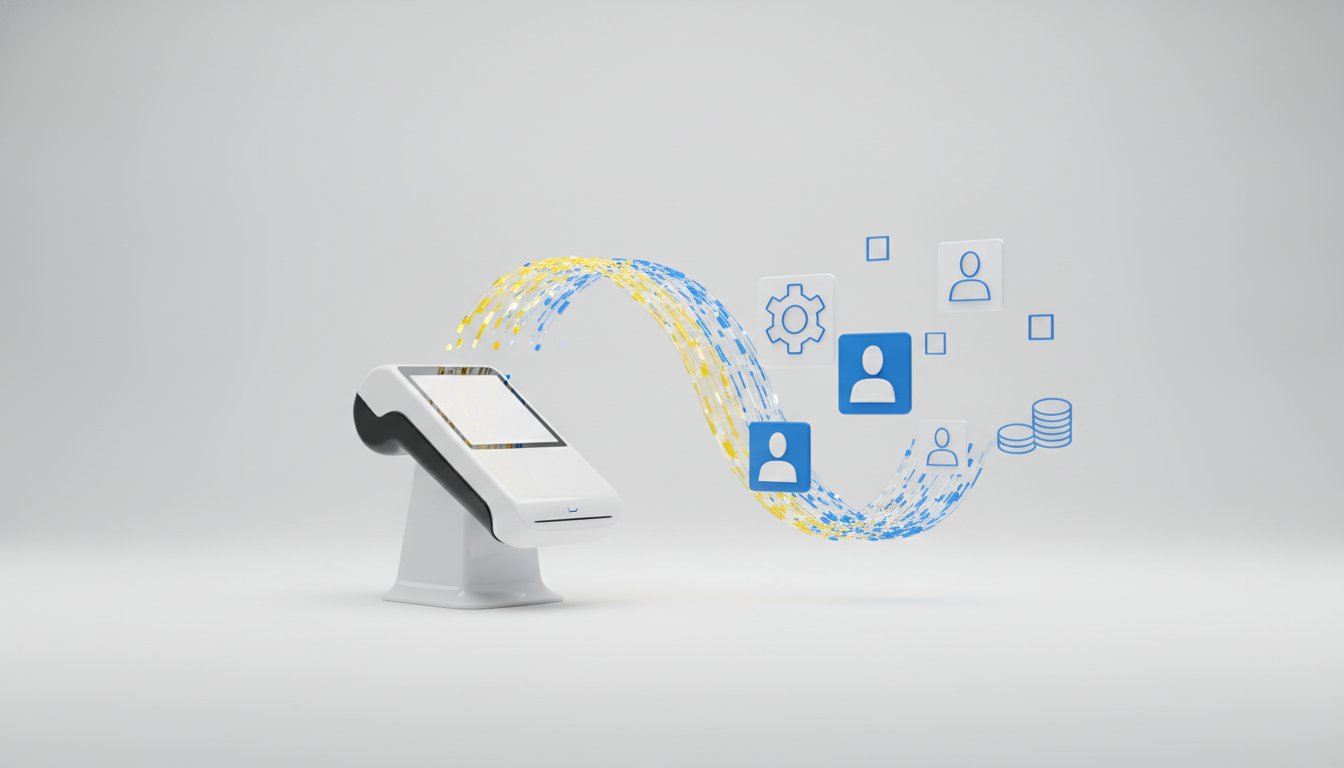
Did you know that only 26% of organizations have fully integrated their payroll with their core financial systems? For many business owners, the payroll cycle remains a stressful ritual of manual data entry, double-checking spreadsheets, and hoping the cash on hand covers the final tally. It’s draining to feel like you’re fighting your own software just to ensure your team is paid on time. Integrating payroll with payment processing isn't just a technical upgrade; it's a way to reclaim your time and protect your business’s liquidity.
We believe your financial tools should support your growth, not create more obstacles. This guide shows you exactly how connecting these systems eliminates human error and provides instant visibility into your actual cash flow. You’ll learn how to establish a seamless data flow that automates your bookkeeping and simplifies your daily operations. We are moving beyond the basic setup to show you how a unified workflow transforms your administrative tasks into a streamlined, strategic asset for 2026.
Key Takeaways
- Transform your operations by shifting from isolated departments to a unified financial ecosystem that synchronizes incoming revenue with outgoing compensation.
- Master the mechanics of modern data flow to see how customer payments can move directly into employee paychecks through secure APIs and middleware.
- Unlock better cash flow management by integrating payroll with payment processing, allowing you to use next-day deposits to fund your team's earnings without delay.
- Follow a clear, step-by-step implementation roadmap to audit your current POS and accounting software for hidden friction points and manual entry errors.
- Learn how a dedicated partner can handle the heavy lifting of system integration while reducing your overall transaction fees and protecting your resources.
What is Integrating Payroll with Payment Processing?
Imagine your business as a living organism. In the past, the system that brought in revenue and the system that distributed employee compensation often lived in separate, disconnected silos. By 2026, this fragmented approach has become a significant liability. Integrating payroll with payment processing is the synchronization of incoming revenue data with outgoing employee compensation workflows. It’s the end of the era where your merchant account and your payroll provider exist on different islands, forcing you to act as the exhausted messenger between them.
The "manual bridge" is often the most expensive hidden cost in your office. Think about the hours spent downloading CSV files from your processor only to upload them into your payroll software. This isn't just tedious work; it's a high-risk activity where a single misplaced decimal can lead to tax penalties or disgruntled employees. Every minute spent on this manual transfer is a minute stolen from your growth. Integrated financial workflows are the automated reconciliation of merchant deposits and payroll debits.
The Evolution of Business Financials
The journey from paper checks and dusty manual ledgers to cloud-based automation has been rapid. Modern payment systems now do more than just move money; they act as the fuel pump for your entire operation. In 2026, technology that was once reserved for massive corporations is finally accessible to small and mid-sized businesses. You're now able to use your merchant services to fund payroll cycles directly, ensuring that the money you earned yesterday is available to pay your team today. This shift from siloed departments to a unified financial ecosystem is what allows modern owners to focus on their craft rather than their spreadsheets.
Core Components of a Unified System
To build this ecosystem, you need three pillars working in harmony. When these components talk to each other, you stop being a data entry clerk and start being a strategist. A unified system generally includes:
- Merchant Accounts: This is where your revenue begins. Whether it's a credit card swipe or an ACH transfer, this is the entry point for your cash flow.
- Payroll Software: This is the engine of compensation. It handles tax withholdings, benefits, and direct deposits for your employees.
- Accounting Integration: Tools like QuickBooks serve as your ultimate source of truth. They ensure every dollar is accounted for automatically without manual intervention.
By connecting these pieces, you create a circle of data that moves as fast as your business does. It’s about building a foundation of honesty and straightforwardness in your numbers, which feels both refreshing and dependable for any growing company.
The Mechanics of a Unified Financial Ecosystem
Understanding the journey of a single dollar from a customer’s credit card to an employee’s bank account reveals the true power of a connected system. When a customer swipes their card at your point of sale, the transaction data usually sits in your merchant account until a batch is settled. In a traditional setup, this money is a ghost in your payroll system until you manually record it. By integrating payroll with payment processing, that data becomes active immediately. It bridges the gap between your revenue and your liabilities, turning every sale into a real-time funding source for your team.
This connectivity relies on APIs and middleware. Think of these as the digital translators that allow your payment processor to speak the same language as your payroll provider. While some businesses still rely on batch processing, where data is moved in large chunks once a day, the shift toward real-time visibility is crucial. If you know exactly how much cash is hitting your account by noon, you can authorize payroll by 1 PM without guessing about your balance. This speed directly impacts your bottom line by maximizing liquidity and reducing the need for short-term credit lines.
Security remains the heartbeat of this loop. Secure ACH processing ensures that once funds are cleared, they move safely into your payroll account. Without this integration, you're often left with a "blind spot" where funds are in transit but not yet reconciled. A unified system eliminates this risk, protecting your resources and your peace of mind. If you're looking to bridge these gaps, exploring integrated payroll solutions can simplify your entire back-office operation.
API vs. Native Platform Integration
There are two primary ways systems talk to each other. Third-party APIs act as a bridge between separate softwares, while native integration means the tools were built by the same provider to work together from day one. Choosing a native, all-in-one solution is often the most efficient path forward. It reduces the risk of data breakage during software updates and ensures a single point of contact for support. When your POS, merchant services, and payroll live under one roof, the flow of information is faster and far more reliable.
The Role of QuickBooks and Xero
Your accounting software should be the ultimate source of truth, not a digital shoebox for old receipts. By automating the reconciliation process, integrated payments ensure your books are always audit-ready. Instead of typing in transaction totals at the end of the month, the data flows directly into QuickBooks or Xero. LyrxPay takes this a step further with expert support, ensuring your data mapping is perfect from the start. This proactive approach turns your bookkeeping from a chore into a strategic tool for managing your business's health.
Strategic Benefits of Integrating Payroll and Payments
Moving beyond the technical setup, the true value of integrating payroll with payment processing lies in its strategic impact on your bottom line. It’s the difference between reactive management and proactive leadership. When your systems work in harmony, you gain a level of clarity that simply isn't possible with fragmented tools. You aren't just saving time; you're securing the future of your business by making every dollar work harder. This unified approach acts as a defender of your resources, ensuring that your financial health is always visible and protected.
- Maximized Liquidity: Funding payroll shouldn't be a source of stress. By using next-day deposits, you ensure that yesterday's sales are ready for today's payroll run.
- Error Reduction: Human error is the silent killer of administrative efficiency. Automation removes the manual data entry that leads to costly mistakes and potential tax penalties.
- Enhanced Compliance: Maintaining perfect records for tax and labor audits becomes a byproduct of your workflow rather than a separate, panicked task.
- Cost Savings: Lowering your merchant fees through optimized processing allows you to reinvest those resources directly back into your team or your growth.
Cash Flow Optimization with Next-Day Deposits
Waiting three to five days for your funds to clear is more than an inconvenience; it's a payroll risk. In a competitive market, having immediate access to your capital is a massive advantage. If you can bridge the gap between earning and spending, you eliminate the need for costly short-term loans or credit lines to cover your team's checks. This is a core component of business liquidity management tools, providing the stability you need to scale without fear. Why let your hard-earned revenue sit in a processor's holding account when it could be strengthening your operational health?
Reducing Administrative Burden
How many hours do you spend each month reconciling bank statements and payroll reports? Many business owners report saving significant time once they automate these connections, often reclaiming multiple days of work per year. This is time you can give back to your craft, your clients, or your family. An integrated system offers a "concierge" feel to business management, where the heavy lifting is handled behind the scenes. It creates a sense of relief and clarity, allowing you to act as the architect of your business rather than its data entry clerk. When the administrative friction disappears, you're free to focus on what actually drives your passion.

A Step-by-Step Roadmap to Implementation
Transitioning to a unified system doesn't have to be a chaotic overhaul. It's about taking a methodical approach to your back-office health. Start by auditing your current tech stack. List every piece of software you use for your point of sale, your payroll, and your accounting. If these tools don't talk to each other, you've already found your first obstacle. Identifying these friction points is the key to integrating payroll with payment processing effectively. Look for the moments where you're manually typing data from one screen to another or exporting CSV files just to upload them elsewhere.
Once you've mapped the gaps, consult with an integration expert who understands the nuances of financial data flow. They can help you design a path that moves money and information without manual intervention. Before you go live, always run a test. Verify that the data from a sample transaction settles in your merchant account, reflects in your ledger, and populates your payroll fields correctly. This ensures your first integrated payroll run is flawless, protecting your reputation with your team from day one.
If you're ready to stop the manual entry and start growing, get started with an integrated payroll audit today.
Choosing the Right Merchant Service Provider
Your choice of partner determines how smooth this transition will be. You should prioritize providers that offer all in one business financial solutions. This isn't just about convenience; it's about reliability. Look for a partner that advocates for your resources by offering low-fee ACH and credit card processing. In 2026, you shouldn't be penalized with high fees just to move your own revenue. A "concierge" style of support matters here because you need an ally who anticipates your needs and handles the technical heavy lifting during the setup phase.
Setting Up the QuickBooks Sync
The final piece of the puzzle is your source of truth. Setting up a sync with QuickBooks or Xero requires careful category mapping to ensure every tax withholding and benefit payment is recorded accurately. When you automate the flow from sales receipts to payroll debits, your books become a real-time reflection of your business health. This isn't a "set it and forget it" task, though. Ongoing maintenance involves periodic checks to keep the integration healthy as tax laws or software versions change. This proactive care ensures you're always audit-ready and focused on your craft.
LyrxPay: The Ally in Your Financial Transformation
You deserve a partner who values your time as much as you do. We see ourselves as more than just a service provider; we are the defenders of your resources. By integrating payroll with payment processing through our curated platform, you stop the cycle of administrative exhaustion. We've done the heavy lifting of building a unified ecosystem so you can get back to the craft that started your business in the first place. 2026 is the year to stop overpaying for fragmented tools and start moving with the speed of a truly connected enterprise.
The "LyrxPay Advantage" is built on a foundation of honesty and straightforwardness. We don't hide behind complex terminology or clinical service models. Instead, we offer a concierge style of interaction that includes:
- Lower Fees: We advocate for your bottom line by reducing unnecessary transaction costs.
- Next-Day Deposits: We prioritize your liquidity, ensuring your revenue is available when you need it most.
- Expert Support: Our team provides personalized guidance for QuickBooks and Xero to ensure your data mapping is flawless.
- Transparent Partnerships: We provide clear, results-oriented communication that removes the guesswork from your financials.
Lowering Fees, Increasing Efficiency
Lowering fees isn't just about saving a few cents; it's about reclaiming capital to reinvest in your team. We start by auditing your current statements to uncover the hidden costs that processors often tuck away in complex jargon. Our guide on how to lower merchant fees provides a roadmap for this transparency. We view ACH and credit card processing as growth tools, not just transaction costs. If you reduce the friction of money movement, then you increase the velocity of your entire business. This proactive approach ensures you aren't just processing payments, but optimizing your entire financial engine.
Start Your Integration Journey Today
Switching merchant service providers often feels like a daunting task, but it doesn't have to be. We've streamlined the transition to ensure your operations never miss a beat. In your first 30 days of a unified workflow, you can expect a newfound sense of relief. The manual data entry that once took hours will vanish, replaced by an automated flow of data that keeps your books audit-ready at all times. It's time to move from curiosity to confidence. If you're ready to see the impact of a truly integrated system, contact us for a professional financial audit and take the first step toward a more manageable future.
RECLAIM YOUR TIME AND SECURE YOUR GROWTH
Moving toward a unified financial ecosystem is about shifting from administrative friction to operational clarity. By integrating payroll with payment processing, you eliminate the manual bridges that drain your energy and invite human error. You now understand how real-time data flow and next-day deposits transform your merchant account into a strategic funding source for your team. This isn't just a technical upgrade; it's a commitment to your business's long-term health and your own peace of mind.
We are here to act as your reliable ally, handling the heavy lifting of system connectivity. Our partnership provides you with lower-fee ACH and credit card processing, expert QuickBooks integration, and the next-day deposits required for superior liquidity. You don't have to navigate these complexities alone. Streamline your business with LyrxPay integrated solutions today. The path to a more manageable business starts with a single step toward integration. We're ready to help you build it.
Frequently Asked Questions
Can I integrate my existing payroll software with any payment processor?
Not every processor has the technical capability to sync with every payroll provider. Integration depends on the API compatibility and the willingness of the processor to support your specific software. Many legacy processors lack the modern connectivity required for a seamless sync. We recommend checking with your current provider or choosing a partner that specializes in these connections to avoid fragmented data silos.
How does integrating payroll with payment processing improve my cash flow?
It reduces the time between earning revenue and funding your payroll liabilities. By integrating payroll with payment processing, you gain real-time visibility into your cash on hand. This eliminates the "blind spot" caused by funds in transit. You can authorize payments with confidence because you know exactly when your merchant deposits will clear, allowing for better liquidity management throughout the month.
Is it secure to sync my merchant account with my payroll system?
Yes, provided you use encrypted, SOC-compliant middleware or native integrations. Modern financial systems use advanced tokenization and secure APIs to move data without exposing sensitive banking details. This automated method is actually more secure than manual CSV exports. Manual exports often leave unencrypted sensitive data sitting in your downloads folder or email attachments where it is more vulnerable to security breaches.
Will I need a developer to set up these financial integrations?
Most business owners don't need a developer if they choose a partner that offers managed care for their setup. While some custom enterprise solutions require coding, many modern platforms offer no-code or low-code syncs. We handle the heavy lifting of the technical configuration for you. This ensures your systems talk to each other without requiring you to write a single line of script or hire outside help.
What are the typical costs associated with unified financial workflows?
Costs vary based on your transaction volume and the complexity of your tech stack. Generally, you may encounter a one-time implementation fee or a small monthly software subscription for the integration bridge. However, these costs are usually offset by the reduction in administrative labor and the elimination of human error penalties. We focus on advocate-led pricing that reduces your overall merchant fees to keep your costs manageable.
How does next-day deposit help with my payroll cycles?
Next-day deposits ensure your sales revenue hits your bank account almost immediately. In a traditional 3 to 5 day settlement cycle, your cash is often trapped, making it difficult to cover payroll if sales occur close to your deadline. With faster deposits, your Monday sales can fund your Tuesday payroll run. This provides the immediate liquidity needed to keep your operations moving smoothly without relying on credit.
Can I still use QuickBooks if I switch my payment processor to LyrxPay?
Absolutely, and your experience will likely improve. We specialize in expert QuickBooks integration, ensuring that your transaction data flows directly into your ledger. This sync automates the reconciliation process, so your bookkeeping stays current without manual entry. It's about making your existing tools more powerful through better connectivity and dedicated support, allowing you to focus on your craft rather than data entry.
What happens if there is a discrepancy in the automated data sync?
A robust system will flag discrepancies for review rather than blindly processing incorrect data. If a sync error occurs due to a network interruption or mismatched category, you'll receive an alert to resolve the issue. Our team provides ongoing maintenance and support to help you investigate and correct these rare friction points. This ensures your financial source of truth remains accurate and your records stay audit-ready at all times.